Giuseppe Verdi
Dies Irae
Read
Next narration 0:05
Narration sentence highlighting is idle.
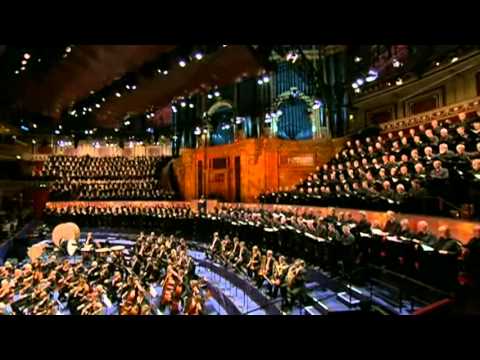
The orchestra and percussion hit as one block; the bass drum gives that first bar its huge edge.
The chorus names the day of wrath right away—“Dies irae”—and the strings are already racing downward underneath it.
On “Solvet saeclum in favilla,” the sentence keeps moving forward; the voices land in blocks while the strings keep the ground unsettled.
Now the text turns to trembling—“Quantus tremor”—and Verdi lets the scale of the fear open out without letting the pulse go soft.
“Cuncta stricte discussurus” rises into the idea of everything being examined, with the orchestra pushing right up under the voices.
The tremor returns, but it’s no longer a first shock; the same choral mass now has the earlier strikes behind it.
At the quiet return of “Dies irae, dies illa,” the words feel withdrawn and tense, barely voiced low instead of struck out.
The strict-accounting passage begins here. “Cuncta stricte” is not flowing lyricism; it’s counted, clipped, and repeated.
Those repeated “Cuncta stricte” fragments keep narrowing the music, like the chorus is returning to the same hard syllables from different angles.
The sound changes function at “Tuba mirum”: the trumpet summons opens distance after all that close choral pressure.
“Coget omnes ante tronum” turns the summons toward everyone being called before the throne; the music feels less like attack now and more like command.
The center drops for “Mors stupebit et natura.” After the public force earlier, this response feels more exposed.
“Judicanti responsura” gives the final turn its answer: the creature stands before judgment, and the lower, exposed writing keeps that answer stark.
Last updated Aug 28, 2026 · Written with GPT-5.5 · Galdr 0.7.0 · Inner Ear gemini-3.7-flash
Now playing
Dies Irae
Giuseppe Verdi

galdr analysis
Click play to load galdr data.