Giuseppe Verdi
Dies Irae
Read
Narration sentence highlighting is idle.
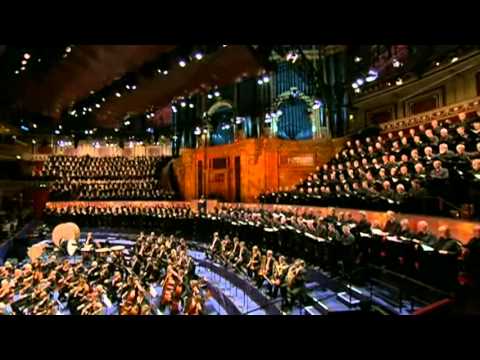
The recording starts with five seconds of hall — nothing but room tone, the hush before — and then the ceiling comes down: bass-drum strokes and the orchestra breaking in together, brass swirling over the top. The entrance lands with huge audible force, like a physical event. Before the ring settles, the choir is on it, hurling dies irae, dies illa in hard, bitten syllables while the orchestra punches the gaps between words. The terror isn't painted; it's metered out in drum hits and choral stresses landing together. The beat seizes the body right away and offers it nowhere to sit — you brace against it rather than move with it, and that braced condition turns out to be the piece's whole climate.
Ashes come next. The line about the world dissolving into favilla spills out as a fast cascading choral run against sweeping strings, and the question about how great the trembling will be hardens into staccato chant over driving string figures — dread made explicitly rhythmic. Then the whole opening stanza returns, and the return is greedier, each repetition climbing with more brass and drum on it, until the clause about everything being strictly sifted is shouted at the full crest.
The most unnerving turn arrives at 1:32: the same day-of-wrath words, barely voiced. Now the setting is low string tremolo and distant taps of the bass drum, the syllables clipped and nervous, a whisper that keeps the drum underneath it. The judge's coming passes almost breathlessly. Then cuncta stricte comes back not as a line but as wreckage — two words struck over and over, the phrase dismantled into its own percussion until the full clause reassembles and the roar returns. Identical material living three separate lives: shout, whisper, hammer.
Out of the spent hammer the texture thins, and then comes the famous theatrical stroke: trumpets placed offstage, calling a fanfare across the space and answered in echo by others. More join, the calls layer into a rhythmic fanfare pattern, and it blooms into massed brass — the Last Trump assembled in actual air. By 3:25 the chorus is back over it, shouting the text about the trumpet scattering its sound through the tombs while brass declarations tower between phrases. The accents lean across the beat here, syncopated shouts and stabs refusing to land where expected, and the pressure holds that lean until, just past 4:08, the entire mass is severed at once — a cut, not a fade — leaving the hall ringing.
Into that ringing gap, a single bass voice, low and unhurried, with almost nothing under him: mors stupebit — death and nature stunned. After four minutes of massed forces, judgment shrinks to one person in a large room, and the change of scale carries its own kind of awe. He takes the closing lines — the creature rising to answer its judge — down a slow descending cadence while the support thins to a sustained tone, and by the final seconds there is more room than sound. The last thing you hear is the space itself.
Last updated Aug 28, 2026 · Written with GLM 5.2 · Galdr 0.7.0 · Inner Ear gemini-3.7-flash
Now playing
Dies Irae
Giuseppe Verdi

galdr analysis
Click play to load galdr data.