Giuseppe Verdi
Dies Irae
Read
Narration sentence highlighting is idle.
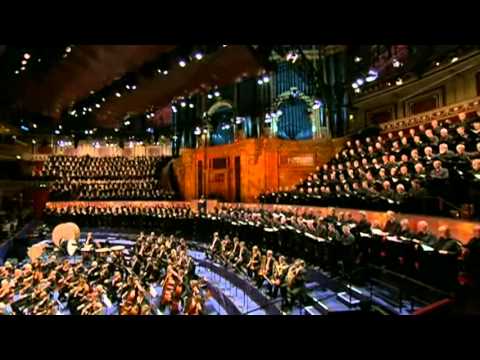
Judgment here is not an idea to contemplate; it is a public event that finds the body before the mind can arrange a defense. The Latin sequence imagines the Dies irae as the day when the world is reduced to ash, the trumpet summons the dead, nature itself is stunned, and every hidden thing is examined before the judge. Verdi’s setting makes that theology feel less like doctrine than exposure: choral massed speech, hard orchestral blows, and the recurring return of the opening cry turn fear into architecture. The repeated cuncta stricte discussurus matters because the terror is not only death, but scrutiny—everything weighed, nothing left private.
The later thinning does not comfort so much as isolate. After the vast collective dread, the lower solo voice feels like one creature answering for itself, small inside the same immense room. That scale is part of why Verdi’s Requiem makes the last judgment feel theatrical, but the theatre does not cheapen it. It makes awe physical.
Last updated Aug 28, 2026 · Written with GPT-5.5 · Galdr 0.7.0 · Inner Ear gemini-3.7-flash
Now playing
Dies Irae
Giuseppe Verdi

galdr analysis
Click play to load galdr data.