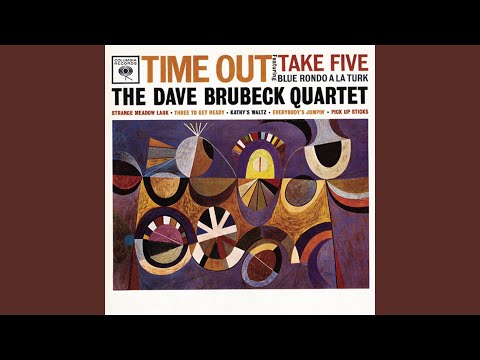
Dave Brubeck
Take Five
Read
Next narration 0:01
Narration sentence highlighting is idle.
The count is odd, but the feel is already usable. Piano, drums, and bass make five beats into a floor.
The piano does not spread out. It clips the harmony into bright blocks, so the tilted measure stays clean.
The saxophone enters without strain. Desmond makes the uneven count sound like ordinary weather.
The melody floats, but the grid underneath is strict. That contrast is the whole pleasure here.
The phrase lifts, and nothing loses balance. The band leans into the odd edge instead of smoothing it away.
Brubeck answers in small dry blocks. He leaves the saxophone room, while the rhythm section keeps the floor exact.
The bass keeps the measure walking forward. Without that low path, the five would feel clever instead of lived in.
Now the tune starts stretching into conversation. The saxophone wanders, but it keeps brushing the shape of the theme.
The vamp has stopped sounding like a trick. It is the native ground now, and the solo can move normally inside it.
The drums are starting to claim the foreground. The pattern gets busier without dropping the five.
Morello keeps the count visible with the cymbal. The hands decorate the room, but the measure stays upright.
The drum feature thickens now. Snare and toms add pressure, while the piano vamp refuses to move.
The accents keep relocating inside the same frame. That is why the solo feels active, not loose.
The pressure rises, but the center does not collapse. The five-beat engine is carrying the showmanship.
This is still the drum feature. The saxophone is not back yet; the vamp is holding the room open.
Now the drum energy begins clearing a runway. Same vamp, but it is finally calling the tune back.
The saxophone returns with the same calm outline. After the long drum feature, that ease sounds earned instead of effortless.
This return changes the cool surface. We can hear the work underneath now, even while the melody stays relaxed.
Piano and bass tighten the frame again. The last stretch is not bigger; it is more certain.
The final lifts do not chase a huge climax. They keep the tilt elegant and let the pattern stay social.
The engine starts letting go. The same five-beat idea is still here, but its grip is loosening.
The ending is clean. The tilted floor drops away before it can turn sentimental.
"Take Five" wins by making difficulty physical. The unusual meter becomes a place people can stand together.
Last updated Aug 3, 2026
Now playing
Take Five
Dave Brubeck

galdr analysis
Click play to load galdr data.