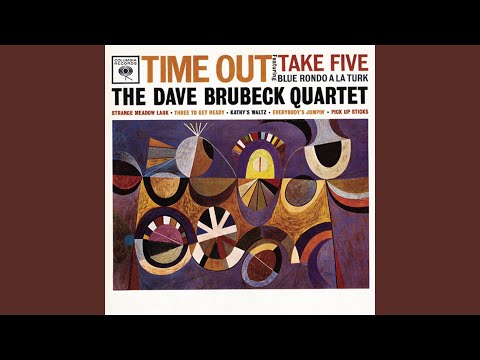
Dave Brubeck
Take Five
Read
Narration sentence highlighting is idle.
The title names the whole bargain: take five — step out of the ordinary clock for a short break — while the band keeps walking in five. What remains is not rest so much as stylish suspension, a cool pocket that never quite settles into common time and never needs to.
Desmond’s blues-scale line rides a spare two-chord vamp with dry elegance, less confession than knowing stroll; Brubeck’s piano and the rhythm section make the odd meter feel inevitable rather than clever. The performance stays held and lightly motor-captured for almost its full length, pressure mostly sustained, weight suspended, the body offered a seat that is comfortable only after the ear accepts the lean. That is the joke and the achievement at once: a five-beat break that turns its imbalance into ease, unusual at first and then permanently familiar. After the last sound, the invitation still hangs — leave four behind, stay cool, keep moving.
Last updated Aug 15, 2026 · Written with Grok 4.5 · Galdr 0.7.0.dev0 · Inner Ear Gemini 3.5 Flash Lite
Now playing
Take Five
Dave Brubeck

galdr analysis
Click play to load galdr data.