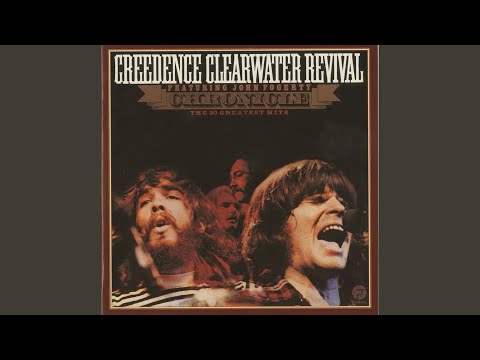
Creedence Clearwater Revival
Fortunate Son
Read
Next narration 0:02
Narration sentence highlighting is idle.
That clipped guitar riff doesn’t warm up first; the drums are already pushing with it, so the song feels in motion from the first seconds.
Fogerty comes in already heated, and the first image is public ceremony: “wave the flag.”
The chorus keeps the words short and blunt: “It ain't me” lands like a refusal, not a plea.
The next verse changes the target to money, but the band stays in the same narrow, driving lane.
This return names a different protected family — the millionaire’s son — without changing the shape of the hook.
After the groove has kept running, the last verse comes back to patriotic inheritance, now with the war demand in view.
On “More, more, more, more,” the repetition makes the answer ugly and automatic.
The final chorus is the same refusal, but now “military son” gives the title phrase its sharpest target.
The band doesn’t widen out for the ending; it keeps the denial moving through those repeated “fortunate one” lines.
Even the last “It ain't me” trails toward the cutoff without turning into a farewell.
Last updated Aug 15, 2026 · Written with GPT-5.5 · Galdr 0.7.0.dev0 · Inner Ear Gemini 3.5 Flash Lite
Now playing
Fortunate Son
Creedence Clearwater Revival

galdr analysis
Click play to load galdr data.