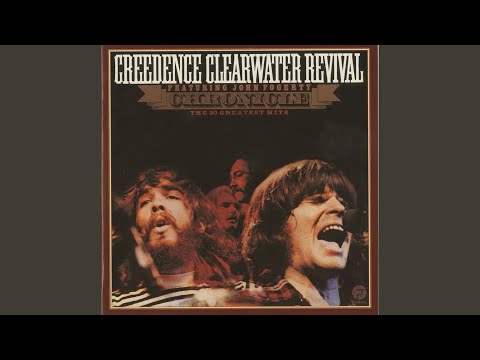
Creedence Clearwater Revival
Fortunate Son
Read
Narration sentence highlighting is idle.
0:00-0:19 Establishes the contract
The opening riff and rhythm section set the track’s compact grid before the voice arrives: no long preface, just the motor pattern that will carry almost everything.
0:19-0:48 First verse narrows into the refrain
The first vocal frame names public power and turns quickly into the rejecting hook: It ain’t me. The refrain does not open a new musical world; it stamps the verse’s accusation into a repeatable form.
0:48-1:16 Second pass proves the frame
A second verse-refrain cycle reuses the same machinery with a new target, moving from patriotic display to inherited wealth. The form’s force comes from substitution inside a stable pattern.
1:16-1:30 Instrumental break reloads
The vocal drops out and the band keeps the pulse moving, using the break as a short reset rather than an escape. It clears space for the last lyric argument without loosening the song’s drive.
1:30-2:15 Final verse, extended refrain, refusal to soften
The voice returns with the war verse, then the refrain stretches past its earlier length. I ain’t no fortunate one becomes a closing insistence, with the final fortunate son arriving as the form’s last named point.
2:15-2:19 Cut and terminal decay
The carried pattern stops, leaving only the ending ring and silence. The song closes by cutting off the engine rather than resolving into a separate outro.
Last updated Aug 15, 2026 · Written with GPT-5.5 · Galdr 0.7.0.dev0 · Inner Ear Gemini 3.5 Flash Lite
Now playing
Fortunate Son
Creedence Clearwater Revival

galdr analysis
Click play to load galdr data.