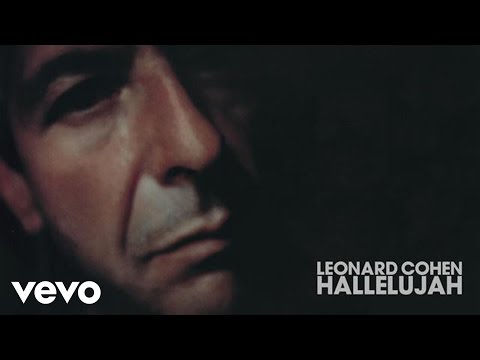
Leonard Cohen
Hallelujah
Read
Next narration 0:05
Narration sentence highlighting is idle.
Cohen comes in low and close, almost speaking the "secret chord" rather than unveiling it.
Now the lyric is naming the changes as they pass: the fourth, the fifth, then that small fall and lift in the melody.
The refrain doesn't burst open; it gathers. The backing voices widen the word while the light band keeps the sway steady.
The second verse has pulled back again, but the guitar's steadiness now carries the memory of that first chorus.
The story turns physical and humiliating here, and Cohen still keeps the temperature low.
That shrug on "I don't even know the name" is so calm; the rhythm doesn't flinch around it.
"The holy or the broken" gives the refrain both meanings at once, and the same steady return has to hold them.
After the pullback, "I did my best" lands in a plainer, more exposed space before the support gathers again.
When he reaches "nothing on my tongue," the backing voices return, and the word starts to feel like endurance more than a final answer.
The ending loosens gradually: harmonies, measured drums, and guitar keep moving while the track thins instead of sealing itself shut.
Last updated Aug 17, 2026 · Written with GPT-5.5 · Galdr 0.7.0.dev0 · Inner Ear Gemini 3.5 Flash Lite
Now playing
Hallelujah
Leonard Cohen

galdr analysis
Click play to load galdr data.