Purcell
Dido's Lament
Read
Narration sentence highlighting is idle.
A dying queen tries to make mercy out of memory. Dido asks Belinda for bodily comfort first, a hand and a breast to rest on, but the real wound is what she wants remembered and erased at once: Remember me, but not the ruin that brought her there. The contradiction is the aria’s whole human pressure. She wants to survive in love without leaving pain behind, to be mourned without making the mourner carry her wrongs.
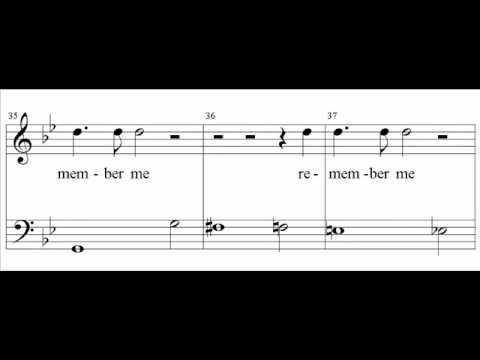
Purcell makes that impossible wish feel ceremonial rather than merely private. The famous descending chromatic ground bass does not dramatize death as a single collapse; it makes grief repeat with terrible composure, as if the body is already being lowered while the voice still negotiates how it will be held in another mind. The soprano’s restraint matters: the line aches, crests, and withdraws, but it does not plead wildly. That poise is why the aria belongs to Dido. It leaves memory purified by song, but not freed from fate.
Last updated Aug 18, 2026 · Written with GPT-5.5 · Galdr 0.7.0.dev0 · Inner Ear Gemini 3.5 Flash Lite
Now playing
Dido's Lament
Purcell

galdr analysis
Click play to load galdr data.