Purcell
Dido's Lament
Read
Narration sentence highlighting is idle.
0:00–0:08 Opening threshold
Blank air opens the threshold before low strings and voice arrive, holding the space rather than locking the full formal pattern in place.
0:08–1:12 Recitative turns toward death
Soprano enters in flexible recitative: Thy hand, Belinda, darkness shades me through Death is now a welcome guest. Sparse support follows the speech-like turns, settling the scene and handing the drama to the aria proper.
1:12–2:34 Aria states the lament
When I am laid, am laid in earth arrives as the repeating ground bass takes formal control, then restates. The refrain May my wrongs create / No trouble… in thy breast proves the contract twice—voice and ground bound to one repeating frame rather than new material.
2:34–4:04 Refrain returns and heightens
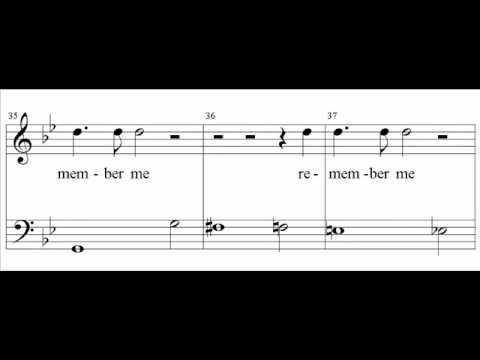
Remember me takes the form. Each return reloads the plea—_but ah! forget my fate_—with rising insistence across the same ground, peaking on the final statements before the voice leaves.
4:04–4:49 Aftermath withholds the voice
Strings alone finish the last ground cycles. Pressure thins, pattern loosens, and terminal silence closes the track without restoring the singer.
The form crosses from recitative into a ground-bass lament: scene, repeated plea, then instrumental emptying.
Last updated Aug 18, 2026 · Written with Grok 4.5 · Galdr 0.7.0.dev0 · Inner Ear Gemini 3.5 Flash Lite
Now playing
Dido's Lament
Purcell

galdr analysis
Click play to load galdr data.