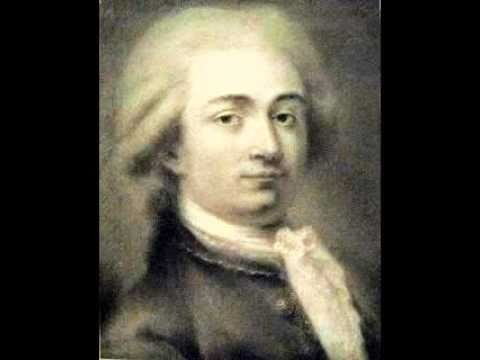
Vivaldi
Winter, Largo from The Four Seasons
Read
Narration sentence highlighting is idle.
0:00-3:30 Establishes the long lyric frame
A brief preparation gives way to the main contract: solo violin carried over a steady, lightly plucked support. The section holds its shape rather than seeking a sharp turn, with phrase endings folding back into the same calm motion.
3:30-5:52 Withdraws and resumes
A clear internal gap resets the surface, but not the piece’s identity. The return keeps the same chamber-like frame and lets repetition do the formal work: the melody re-enters as continuation, not contrast.
5:52-8:08 Reloads the frame after the strongest pause
The longer silence around 5:52 functions as the most decisive reset. After it, the movement gathers again into a settled pocket, with the violin line continuing to prove the same slow, suspended design.
8:08-8:40 Loosens into fragments
Shorter pauses and small re-entries begin to thin the continuity. The form no longer opens a new episode; it tests how little motion is needed for the pattern to remain recognizable.
8:40-9:23 Returns, then releases
The final sustained stretch restores the steady frame one last time. Near the close, the carried pulse and pattern loosen, and the recording lets the movement fall away rather than sealing it with a large final gesture.
Last updated Aug 15, 2026 · Written with GPT-5.5 · Galdr 0.7.0.dev0 · Inner Ear Gemini 3.5 Flash Lite
Now playing
Winter, Largo from The Four Seasons
Vivaldi

galdr analysis
Click play to load galdr data.