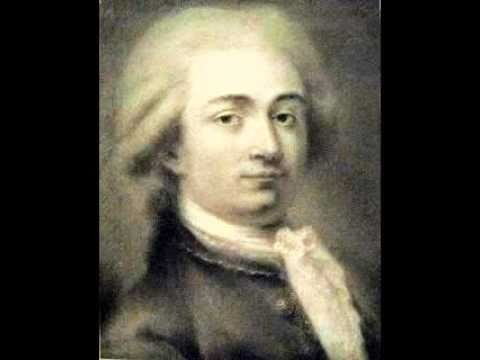
Vivaldi
Winter, Largo from The Four Seasons
Read
Narration sentence highlighting is idle.
The first sound is almost nothing: a thin plucked pattern, even and cool, and above it a solo violin that does not announce itself so much as lean into the air. The arpeggios open like a hand opening—no force, only the shape of motion. What must be held from the start is exactly this pairing: the quiet mechanical rain of pizzicato underneath, and a singing line that treats that rain as weather it can move through without hurry.
The violin’s first long phrases settle the memory. A descent softens into the accompaniment; a climb answers with warmer vibrato and a little more bow weight; a high note is held until it thins and yields. Nothing yet has broken the texture. The ear learns the piece’s basic grammar in these early minutes: the plucked pattern keeps time without insisting on drama, while the solo line draws arcs that crest, ease, and return to rest. Register does the expressive work. When the melody rises, the room brightens; when it falls through a smooth scale fragment, the warmth folds back into the plucked ground.
By the stretch past the first minute the same materials begin to speak differently simply by lasting. The violin re-enters after brief cadential breaths with slight ornament, a turn or a swell that was not quite there before. The accompaniment does not change its job; the change is in how the solo voice rides it—sometimes more lyrical, sometimes more inward, sometimes climbing into a brighter upper register where the resonance of the instrument itself becomes part of the phrase. A phrase that earlier felt like simple song now feels like recollection of that song. The form is teaching recognition by mild variation rather than by contrast of kind.
Around three and a half minutes the continuity breaks. A real silence opens—several seconds of near-empty room—and when the music resumes it is still the same world, yet the return lands as return. The violin’s re-entry carries the memory of interruption. The lyrical line is warm again, still supported by the steady pizzicato, but the ear now measures every new ascent against the gap that just occurred. Later silences, near five-fifty and again in the final minutes, work the same way: not theatrical ruptures, only clear withdrawals that make the next entrance a transformed recurrence of the opening sonority. What returns is identifiable—solo cantabile over plucked pulse—yet each reappearance is slightly more reflective, the phrasing a little more willing to suspend on a high tone before resolving downward.
In the long middle the development is almost entirely a matter of agency and pacing. The violin carries nearly all the argument: it extends phrases, softens into introspection, rises once more with delicate vibrato, then traces gentle downward arcs that hand the ear back to the accompaniment. The plucked strings never seize the foreground; they remain the climate. Pressure builds and releases inside the solo line alone—through register, through swell and decay, through the decision to ornament or to leave a note plain. When a sustained high note briefly suspends motion, the form holds its breath without needing new instruments or new harmony to do so.
Toward the close the texture begins to fray by omission rather than by climax. Short silences multiply; phrases drop back more readily; the grid of the pizzicato remains, but the sense of continuous runway loosens. The violin still finds lyrical statements, still climbs and settles, yet the music is already practicing departure. The final fade is almost complete withdrawal: faint decay, then the room empty. What remains audible in memory is not a cadence of triumph or collapse, but the original pairing held across duration—the quiet rain of the strings, the voice that sang above it, and the way each return after silence made that first sonority sound like something already known and slightly changed.
Last updated Aug 15, 2026 · Written with Grok 4.5 · Galdr 0.7.0.dev0 · Inner Ear Gemini 3.5 Flash Lite
Now playing
Winter, Largo from The Four Seasons
Vivaldi

galdr analysis
Click play to load galdr data.