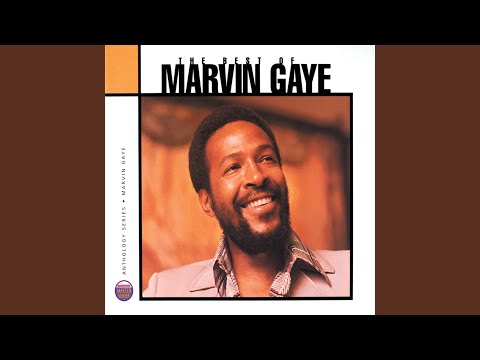
Marvin Gaye
I Heard It Through the Grapevine
Read
Next narration 0:04
Narration sentence highlighting is idle.
The groove locks in before the story starts.
The bass and percussion make a narrow lane. It is tight enough that even the hurt will have to walk in time.
Marvin enters with the wound already awake. The band gives him room to be heard, but no room to hide.
The betrayal becomes specific inside a beat that will not soften for it. That is what makes the disclosure feel public.
The title line lands like a verdict.
Now the emotional floor drops. His voice stretches toward panic. The arrangement stays exact, so the panic has to keep its appointment with the groove.
The second verse is the same machine carrying heavier news. Tears and accusation arrive without changing the pulse.
The backing voices sound clean, almost cool, while he keeps straining. They behave less like comfort than confirmation.
The band never swells into melodrama.
The belief proverb changes the problem. If hearsay cannot be trusted, then the grapevine should lose power, but the groove has already made the rumor feel true.
The final returns begin without offering escape. The title keeps coming back. Each return sounds less like new information and more like the same fact being stamped again.
This is where the song turns rumor into body knowledge. He may still question the channel, but the rhythm has stopped asking.
The late ad-libs circle the wound instead of moving past it.
The count finally starts to loosen at the edge. Release arrives only after repetition has done all the damage.
The record lets go before the feeling resolves.
Last updated Aug 4, 2026
Now playing
I Heard It Through the Grapevine
Marvin Gaye

galdr analysis
Click play to load galdr data.