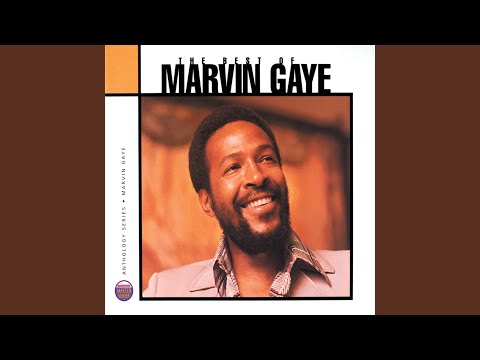
Marvin Gaye
I Heard It Through the Grapevine
Read
Narration sentence highlighting is idle.
0:00-0:20 Groove contract
The introduction establishes the rule before the story starts. The groove is narrow, dry, and forward-moving, so the song's structure begins as containment. By the time the voice enters, the record has already built the lane that every later shock will have to walk inside.
0:20-1:04 First disclosure
The first verse moves quickly from suspicion to specific betrayal, then lets the title line arrive at 0:44 as the structural hinge. The chorus does not explode outward. It tightens the same motion around the news, turning the first "grapevine" return into the song's organizing fact.
1:09-1:52 Second pressure cycle
The second verse repeats the form with higher personal stakes. The social rule against crying appears at 1:09, the held-in tears follow at 1:13, and the accusation at 1:25 makes the betrayal more direct. Structurally, this is not a reset. It is the same groove carrying a heavier charge.
2:05-2:26 Belief turn
The bridge-like turn changes the problem from heartbreak to verification. Advice about believing half of sight and none of hearsay enters at 2:05, but the song does not slow down to think it through. The structure holds doubt inside the same pulse, making confusion another timed event.
2:29-3:10 Trapped returns
The final stretch keeps returning to the title and the near-loss of the beloved without adding escape. Repetitions at 2:55, 3:02, and 3:05 make the ending feel like a conclusion being tested again and again. The record stops only after the pattern has done its work; the feeling is not resolved.
Now playing
I Heard It Through the Grapevine
Marvin Gaye

galdr analysis
Click play to load galdr data.