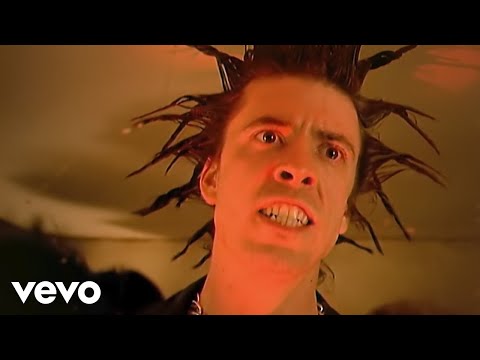
Foo Fighters
Everlong
Read
Next narration 0:00
Narration sentence highlighting is idle.
Just guitar at first—bright, fast strums, but the chords stay warm.
A second, higher guitar layer catches that figure. It already feels like it’s been running.
Hello—plain, almost exposed, riding inside the motion instead of floating over it.
I've waited here for you, then Everlong stretched over a pulse that will not wait.
Tonight, I throw myself into—and the guitars give the voice no private room.
Out of her head she sang—another voice remembered inside his delivery.
Come down tries to lower the temperature, but the band stays up.
Slow how you wanted it to be—and still nothing in the rhythm actually slows.
That out of her head she sang tag again, right before the lift.
And I wonder—same current, guitars thickening into a bright wall while the beat stays visible through it.
If everything could ever feel this real forever—they’ve been practicing forever through repetition already.
The only thing I’ll ever ask of you—then that long promise not to stop when I say when, held right against the drums.
Breathe out, so I can breathe you in—air in a track that’s mostly been voltage.
Out of your head, out of my head I sang—the remembered voice isn’t outside him anymore.
Second chorus, same words, band still not letting up—feels like a test taken in real time.
That promise line again, she sang trailing off the end of it.
Whispered bridge—the engine dims rather than stops, and the beat suddenly feels exposed.
Full chorus back—And I wonder hits harder because the hush made this surface feel earned.
If everything could ever feel this real forever—same claim, more voltage after the quiet.
Promise not to stop when I say when—no she sang this time, just the ask.
Final cycle of the forever lines—the track still obeying its own instruction to keep going.
You've got to promise not to stop when I say when—last hold on that bargain.
Small breaks now—the grid finally comes apart instead of a grand exit.
Last updated Aug 22, 2026 · Written with Grok 4.5 · Galdr 0.7.0.dev0 · Inner Ear Gemini 3.5 Flash Lite
Now playing
Everlong
Foo Fighters

galdr analysis
Click play to load galdr data.