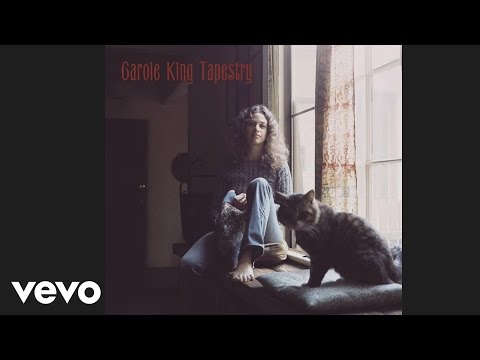
Carole King
It's Too Late
Read
Narration sentence highlighting is idle.
0:00-0:30 Establishes the contract
A short lead-in gives way to the piano-led groove almost immediately, with bass and light drums setting the track’s main pattern before the voice enters around 0:09. The first verse narrows the song into an intimate vocal frame, then strings begin to fill underneath near the end of the span, preparing the first chorus without breaking the groove.
0:30-0:55 Opens into the first chorus and turnaround
The voice projects more strongly as the chorus arrives, and the arrangement thickens around it. After the sung statement, the vocal eases into descending refrain figures, then steps out for a brief instrumental turnaround that keeps the same rhythmic contract in place.
0:55-1:34 Repeats the verse-to-chorus frame
The second verse re-enters softly over the established piano groove. Strings return as the vocal rises toward the chorus, which comes back around 1:13 with more density but no formal rupture. The post-chorus refrain again loosens the sung line into repeated vocal figures before handing the center away.
1:34-2:17 Breaks into instrumental lead space, then resets
The voice leaves and the middle opens into a solo passage: saxophone takes the lead first, guitar follows, and the two briefly share the foreground over the continuing rhythm section. By about 2:09 the soloing resolves, and the piano pattern reasserts the song’s main frame, setting up the vocal return.
2:17-3:00 Returns the song to its full sung frame
The third verse brings the lead voice back softly, then gathers toward the chorus. Around 2:30 the chorus returns with strings and projected vocal presence, proving that the earlier form still holds after the instrumental break. The refrain figures follow again, now with saxophone beginning to answer around the edges.
3:00-3:55 Extends, thins, and lets go
The outro settles into spaced title-like vocal phrases and ad-libs, with saxophone and the band continuing the vamp after the voice leaves around 3:14. The groove winds down gradually rather than closing with a hard stop; by about 3:50 the music has released into silence.
Last updated Aug 28, 2026 · Written with GPT-5.5 · Galdr 0.7.0 · Inner Ear gemini-3.7-flash
Now playing
It's Too Late
Carole King

galdr analysis
Click play to load galdr data.