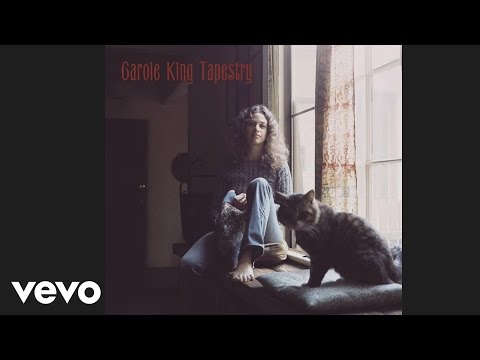
Carole King
It's Too Late
Read
Narration sentence highlighting is idle.
After the opening breath of silence, the groove arrives almost already in motion: a piano figure with bass and light drums making a clean, moderate grid. Nothing about it feels loose, but it is not heavy either. The beat has enough low-end hold to put the body in the room, while the piano keeps the surface warm and articulate, a repeating shape with rounded corners rather than a hard attack.
The first voice enters close and soft, tucked into that pocket instead of standing above it. Around 0:26, string color begins to widen the space underneath, not as a dramatic lift but as a smooth thickening, a cushion spreading behind the piano-and-drum motion. When the vocal projects near 0:30, the track grows denser in one piece: rhythm section, strings, and voice all make the center feel fuller, but the pulse itself stays almost plainly dependable. The body is caught by the regularity more than by force.
After that first crest, the vocal eases back into softer descending shapes, and the arrangement lets the piano rhythm come forward again. The brief instrumental turn around 0:52 is useful because it shows how much of the track’s hold belongs to the groove itself: bass and drums continue to give the line a light floor while guitar and piano add small moving surfaces above it. The sound is busy enough to shimmer, never crowded enough to blur.
The second vocal entrance returns the same settled machinery, and the strings again thicken the background before the next projected passage. The changes are mostly changes of density and distance, not ruptures. A little more body gathers around 0:55 and again near 1:00, but the track does not lean into weight as a blunt object; it keeps lifting off its own low end, letting the beat stay buoyant even when the middle of the mix fills.
The instrumental stretch after about 1:35 opens the front of the room. A smooth soprano sax takes the lead first, rounded and glossy over the same piano-bass-drum pocket, then clean electric guitar moves into that space with a more pointed melodic edge. Strings slip back in beneath the guitar, and when sax returns to trade phrases, the surface becomes conversational without disturbing the grid. The pleasure is in how the solo voices change the light while the rhythmic engine keeps its modest, reliable push.
The later vocal return sits on familiar ground, but the arrangement has learned to feel broader. Around 2:30, the projected vocal and richer strings make the chorus mass warmer and thicker, then the sound relaxes again into softer vocal figures. Sax counterlines begin to curl around the voice near 2:52, and by the outro the track has become a comfortable vamp: piano chords, bass, drums, guitar, and sax passing small gestures through a pocket that has been holding almost the whole time.
Past 3:25, the weight gathers in small pulses rather than one final climb. Piano, bass, and light drums continue the circular vamp, with sax and guitar leaving small marks at the edge, then the pressure starts to release around 3:45. The pattern loosens quickly after that; the body hold lets go, and the last audible shape is not a grand cutoff but a withdrawal into the closing silence, the groove disappearing after having made steadiness feel like the song’s main physical fact.
Last updated Aug 28, 2026 · Written with GPT-5.5 · Galdr 0.7.0 · Inner Ear gemini-3.7-flash
Now playing
It's Too Late
Carole King

galdr analysis
Click play to load galdr data.