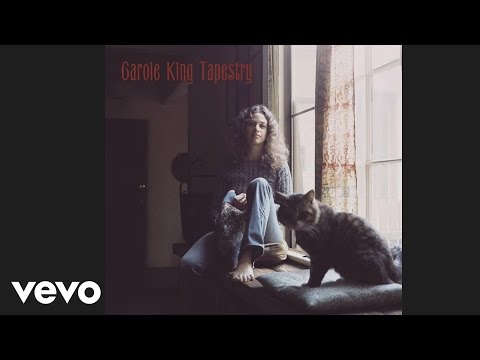
Carole King
It's Too Late
Read
Narration sentence highlighting is idle.
"It's Too Late" is not about a breakup as an explosion. It is about the point after the explosion, when the facts have become quiet enough to speak plainly. The opening verse at 0:10 does not hunt for a villain. It names a changed relationship, a changed self, and the possibility that effort has already run out.
That is why the chorus at 0:29 feels so severe. The title phrase is a boundary, but it is not punishment. The song says that trying mattered and still was not enough. Affection remains in the frame while the words refuse reconciliation, so the meaning is not love turning cold. It is love discovering that warmth alone cannot make a relationship true again.
The second verse at 0:57 deepens the wound by remembering ease. Former comfort is not denied; it is part of the evidence. The relationship used to have a shared grammar, and now both people are standing inside the remains of it. The song's mercy is that it refuses to turn that mismatch into contempt.
By the late verse at 2:39, the meaning becomes more generous and more final at once. The speaker can imagine good times ahead and still say that staying together would be false. That distinction is the adult heart of the song: gratitude does not cancel the boundary, and care does not require pretending.
The final chorus and coda reduce the thought to repetition because there is nothing left to negotiate. After 3:34, the title returns in smaller pieces, less like an argument than a fact the singer has to keep holding steady. The ending lets the decision empty out without making cruelty from clarity.
The song understands that some endings are clean only when they stop trying to seem clean. It leaves love in the frame, but it will not let love become an excuse to stay past the truth.
Last updated Aug 3, 2026
Now playing
It's Too Late
Carole King

galdr analysis
Click play to load galdr data.