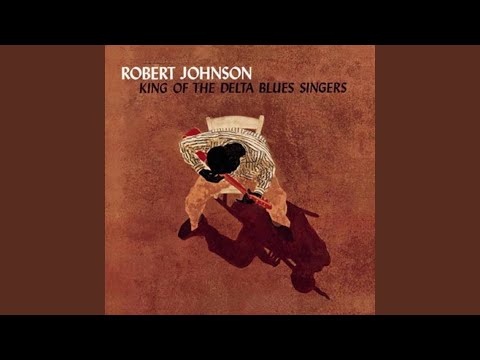
Robert Johnson
Cross Road Blues
Read
Narration sentence highlighting is idle.
0:00–0:09 Opens the solo contract
Acoustic guitar alone plants the blues figure and forward pocket. No voice yet—only the frame the song will keep returning to.
0:09–0:48 Establishes the crossroad plea
Voice enters on I went to the crossroad, fell down on my knees, restates the line, then turns the ask outward: mercy for poor Bob. Between phrases the guitar answers and resets the bar, locking the call-and-response verse engine.
0:48–1:17 Narrows to being unseen
A new stanza keeps the same AAB job but shifts the scene: standing at the crossroad, trying to flag a ride, then the cut—Didn’t nobody seem to know me, everybody pass me by. Repetition does the isolating work; the guitar still fills and returns each line to the pocket.
1:17–1:54 Darkens the stake
The form holds while the lyric tightens: sun going down, dark catching him here, then the lack of a loving woman who would feel his care. Guitar breaks still answer, but the stanza carries more urgency inside the unchanged contract.
1:54–2:22 Delivers the last message and sinks
Final stanza: run tell Willie Brown; the stand at the crossroad returns one more time, closing on I believe I’m sinkin’ down. After the last sung line the guitar takes the remaining bars alone.
2:22–2:28 Empties the hold
Pressure eases, the motor grip loosens, and the last chord rings off into quiet.
Four blues stanzas in one unbroken solo dialogue—voice states, guitar answers—until the final sink and fade refuse rescue.
Last updated Aug 17, 2026 · Written with Grok 4.5 · Galdr 0.7.0.dev0 · Inner Ear Gemini 3.5 Flash Lite
Now playing
Cross Road Blues
Robert Johnson

galdr analysis
Click play to load galdr data.