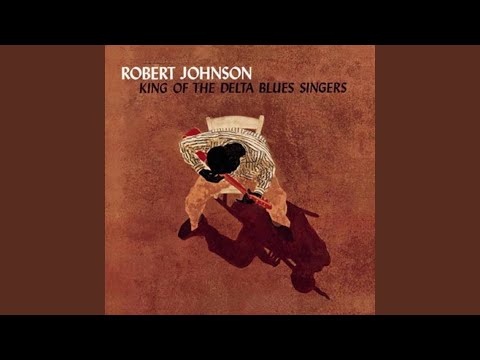
Robert Johnson
Cross Road Blues
Read
Narration sentence highlighting is idle.
Solo acoustic guitar opens the room alone, a quick blues figure already moving before the body quite catches it. Within a couple of seconds the pulse locks—thumb and fingers laying a forward pocket that feels both urgent and settled, light in weight yet insistent enough to hold. No band waits behind him. It is just steel and wood and the small grit of the recording, and that is the whole contract.
Voice comes in hard around the first turn, high and raw over the strum, stating the scene without ceremony: he went to the crossroad and fell down on my knees. The guitar does not cushion the line so much as answer it—slides and short fills stepping into the gaps the moment the phrase drops, then yielding again when he repeats the image and lifts the plea higher, asking the Lord above for mercy on poor Bob. The call-and-response is the drama itself. Each time the vocal leans forward, the guitar hardens the surface underneath or flashes a bright ornamental edge, then thins just enough for the next breath. The pocket never really breaks; weight gathers under the moving pulse and lifts again in small waves, always returning to the same motor hold.
By the middle stretch he is standing there trying to flag a ride, and the guitar’s answers grow sharper, more intricate between the takes. Didn’t nobody seem to know me, everybody pass me by—the words sit against a groove that keeps rolling as if the road itself refuses to stop. Around 1:17 the cry tightens: sun going down, dark going to catch him here. The voice rides up into a strained, almost broken high edge while the guitar keeps its settled pocket underneath, a comfort that does not comfort the lyric so much as ignore its panic and keep time anyway. That friction is the song’s real pressure—not a crash or a swell, just the steady motor continuing while the story darkens.
Late verses name the missing care and send a message out to Willie Brown, the guitar still flashing bright local answers after each line. The final turn lands clean: he is standing at the crossroad again, and I believe I’m sinkin’ down. No devil appears in the words. What the recording gives is isolation, failing light, and a body that cannot get a ride. After 2:22 the pressure starts to release; the pattern loosens, attention lets go, and the last guitar figure rings out into thin room noise, the hold simply emptying rather than resolving. Two minutes twenty-eight, and the pocket is gone as suddenly as it arrived.
Last updated Aug 17, 2026 · Written with Grok 4.5 · Galdr 0.7.0.dev0 · Inner Ear Gemini 3.5 Flash Lite
Now playing
Cross Road Blues
Robert Johnson

galdr analysis
Click play to load galdr data.