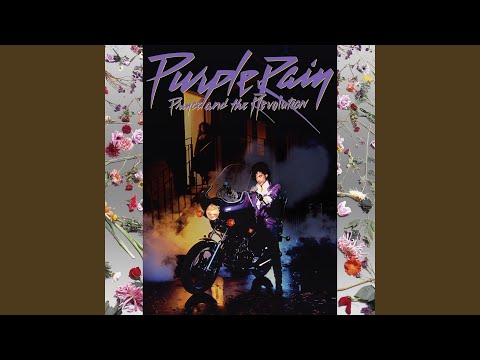
Prince
Purple Rain
Read
Next narration 0:02
Narration sentence highlighting is idle.
It's already open and wide—slow chords hanging with color, pulse steady but not shoving.
Prince is in, close to the beat: he never meant to cause you any sorrow.
Same shape again, but the grain hardens—any pain.
Tenderness cuts through on the wish to see you laughing, while the band just keeps walking.
There it is—purple rain—less explanation than a color the harmony already warmed toward.
The phrase repeats and leaves air; other voices can step into that shape.
Back to the personal line—only wanted to see you—then bathing in the same weather.
New confession over the old stride: not a weekend lover—some kind of friend.
He's still unhurried on the melody while the friendship lines get sharper—shame it had to end.
Refrain takes the room again; same slow hold, no rush to resolve anything.
Only wanted to see you—now underneath the purple rain—before the verse turns.
Honey, I know—times are changing. The voice starts facing outward while the march stays patient.
Reach out for something new—that means you too—long vowels riding the same ground.
You want a leader, but you can't make up your mind—then he offers to guide you to the purple rain.
Title phrase again, now after the invitation—less private weather, more shared shelter.
He's talking to the room—if you know what I'm singing about, raise your hand—and the band holds still enough for the answer.
Last soft claim: only want to see you in the purple rain.
Everything lowers by release, not a break—the pulse that carried private hurt into a public room just lets go.
Last updated Aug 17, 2026 · Written with Grok 4.5 · Galdr 0.7.0.dev0 · Inner Ear Gemini 3.5 Flash Lite
Now playing
Purple Rain
Prince

galdr analysis
Click play to load galdr data.