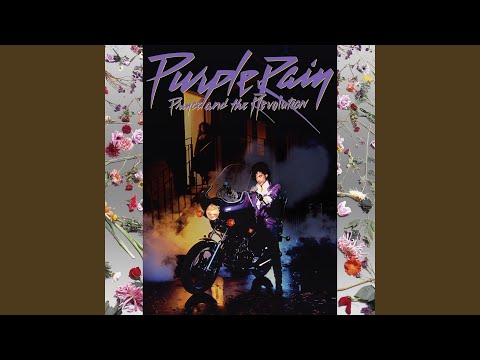
Prince
Purple Rain
Read
Narration sentence highlighting is idle.
The first thing in the room is weather more than song: a soft ambient pad and the hush of distant rain, then a slow electric guitar line that leans in with long, open notes. Nothing hurries. A low pulse gathers under that guitar, more thump than drive, and the whole opening hangs in suspended weight—held, swaying, not yet locked hard to the body.
His voice arrives soft and close, a tenor with gentle falsetto edges, carrying the apology like something already decided. I never meant to cause you any sorrow. The band stays spare around him—guitar, that low pulse, atmosphere—until light rim and kick settle in and give the pulse somewhere the body can sit. He keeps the delivery controlled and sweet even as the register climbs toward laughing in the purple rain, and when the backing voices bloom under the title phrase the room thickens without breaking the patience of the groove. The refrain does not shout; it opens.
The second verse stays in that same measured pocket. He refuses the weekend-lover role, offers friendship instead, and the music does not contradict him with drama—it simply keeps walking beside the confession. Guitar accents answer the spaces between lines. When the chorus returns, the harmonies lift again, same shape, slightly fuller from everything already said. The words want one image held still: someone under purple rain. Light rim and kick hold their unhurried pace beneath him, so the second chorus can open fuller without needing a surge.
Past the two-minute mark the form loosens into longer air. He names changing times and the need to reach for something new, then turns the plea outward—let me guide you to the purple rain—and the arrangement answers by widening. Around 2:31 the track tips into its long late chapter: the rhythm section opens into a more expansive groove, and lead guitar steps forward as the true second singer. The solo does not rush the farewell; it climbs, circles, and presses with melodic force while chants rise and fall behind it. Pressure sustains more than it explodes. The motor hold stays clear—the pulse is still there to lock to—but the surface is all sustained tone and guitar line now, harmonic warmth carrying the weight.
By 3:40 the voice returns in fragments, almost a last look: only want to see you, in the purple rain. Guitar keeps answering, still climbing, still refusing a cheap peak. Then the whole mass eases. Pattern loosens, body lock lets go, and a single gentle piano chord is left decaying into silence at the end—no last smash, just the room emptying after the rain has already done its work.
Last updated Aug 17, 2026 · Written with Grok 4.5 · Galdr 0.7.0.dev0 · Inner Ear Gemini 3.5 Flash Lite
Now playing
Purple Rain
Prince

galdr analysis
Click play to load galdr data.