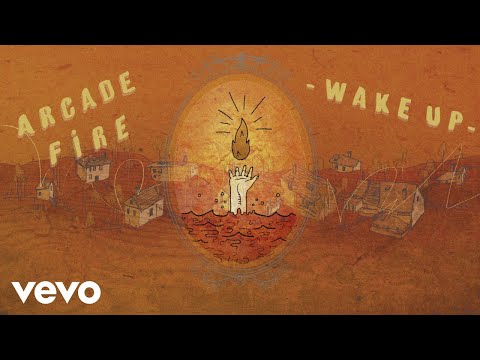
Arcade Fire
Wake Up
Read
Narration sentence highlighting is idle.
"Wake Up" is structured as a widening and release problem. It begins with the crowd already assembled, pulls that force into verse language about childhood and damage, then spends the second half trying to turn the same communal pressure into forward motion.
0:00-0:45 The crowd before the story
The opening is wordless, but it is not empty. The massed vocal hook gives the song its public body before any private lyric appears. Guitars and drums lock the chant to a square march, so the listener enters a shared space before meeting a narrator.
0:45-1:33 Private damage inside public motion
The first verse narrows the enormous opening into a human sentence. The line about a heart filled with nothing works because the arrangement still sounds full around it. Structure and meaning start fighting in the same frame: communal size outside, hollow feeling inside.
1:33-2:01 The refrain returns changed
When the wordless refrain comes back, it carries the verse with it. The same "oh" sound now feels less innocent because the lyric has named coldness and a lie. The form does not need a new section yet; repetition makes the damage audible.
2:01-2:58 The title becomes command
"Children, wake up" turns the song outward. The track stops sounding like one person sorting memory and starts sounding like a warning aimed at a group. The repeated structure lets the command feel earned rather than decorative.
2:58-3:58 Adjustment and charged childhood
The next section keeps the marching floor while the images get stranger: torn hearts, little gods, rain storms, lightning bolts. Structurally, this is the bridge between procession and release. The song has not escaped childhood; it has made childhood volatile.
3:58-5:20 The run
After the reaper image, the music changes gait. The beat loosens into a brighter, more danceable run, and the repeated "going" turns direction into propulsion. The first half was a march with a wound in it; this section is the same force trying to move faster than the wound.
5:20-5:35 The drop
"You better look out below" snaps the upward motion downward. The ending is abrupt because the structure refuses a soft landing. After five minutes of collective lift, the song cuts the ground out instead of giving the chant one more return.
Now playing
Wake Up
Arcade Fire

galdr analysis
Click play to load galdr data.