Chelsea Wolfe
American Darkness
Read
Narration sentence highlighting is idle.
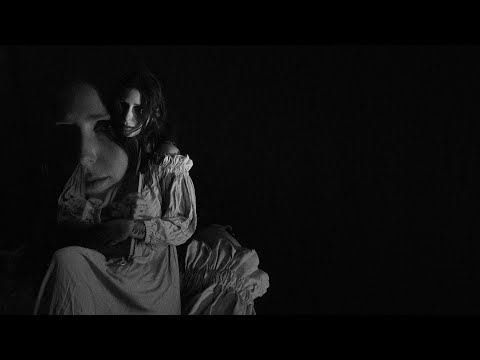
Desire here feels less like rescue than relapse: someone is being called back into an old heat that may already have hurt them. The speaker faces an intimate watcher, half lover and half omen, and turns danger into invitation: Won’t you dance? is seduction, dare, and ritual all at once. The images keep making private longing apocalyptic—bells tolling, horses riding, poppies burning on a mountain, a river on fire and sun eclipsed—until romance and national dread occupy the same dark room. When she sings of old ways kicking in and bad days coming round again, the title stops sounding abstract; “American darkness” becomes a landscape where personal compulsion and larger ruin rhyme.
The recording makes that pull believable because it is controlled rather than frantic. Wolfe’s voice stays soft and close even as the low electronic pulse and suspended tonal mass gather around it, so the song feels trapped in a steady bodily spell instead of breaking into catharsis. That restraint matters within this recording: darkness is not decoration here, but a familiar weather system the speaker recognizes too well. By the end, when you come back to me sounds less like hope than the reopening of a wound that knows its own choreography.
Last updated Aug 26, 2026 · Written with GPT-5.5 · Galdr 0.7.0 · Inner Ear gemini-3.7-flash
Now playing
American Darkness
Chelsea Wolfe

galdr analysis
Click play to load galdr data.