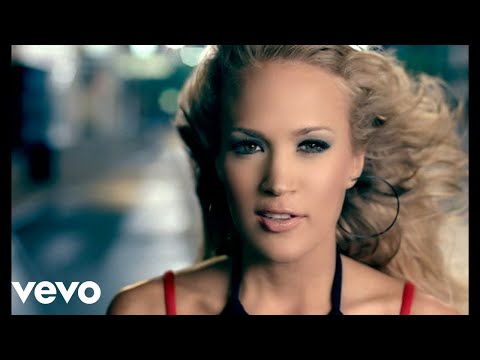
Carrie Underwood
Before He Cheats
Read
Narration sentence highlighting is idle.
0:00 Establishes the drive
Country-rock pulse and guitars lock in before any story arrives, fixing a steady forward motor the rest of the track will ride.
0:15 Sets the scene
Voice enters on the right now inventory—bar, drink, pool stick—stacking the imagined betrayal over the already-running groove and tightening toward and he don’t know.
0:40 Proves the refrain
The form opens into the vandalism catalog: key in the paint, name in the seats, bat to the lights, tires slashed. The title line lands as consequence, then a short instrumental run keeps the motor live into the next verse.
1:10 Reloads the cycle
Second verse returns to the same right now frame with new barroom detail, lifts again through he don’t know, and reloads the full revenge chorus so the contract is no one-off outburst.
2:03 Narrows the claim
The bridge turns from spectacle to aftermath—saved a little trouble for the next girl—and withholds the big list while the vocal stakes won’t be on me / no, not on me.
2:27 Seals and refuses soft closure
Final chorus restores the full damage refrain; the tag repeats maybe next time and strips down to before he cheats and a last oh as the band hits and cuts. The whole form is a held motor that stages the crime twice, then lets the title line outlast the story.
Last updated Aug 21, 2026 · Written with Grok 4.5 · Galdr 0.7.0.dev0 · Inner Ear Gemini 3.5 Flash Lite
Now playing
Before He Cheats
Carrie Underwood

galdr analysis
Click play to load galdr data.