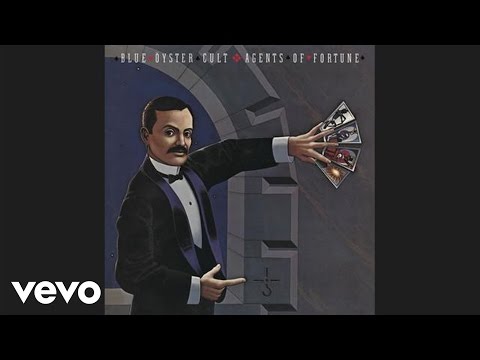
Blue Oyster Cult
Don't Fear the Reaper
Read
Next narration 0:14
Narration sentence highlighting is idle.
That bright guitar loop starts moving before the song gives you any story; the beat is already calm, fast, and very sure of itself.
The voice comes in almost conversationally, which makes the fatal line colder than a dramatic delivery would.
When the backing voices tuck around the lead, the invitation starts to feel doubled before the hook fully exposes itself.
The easy "la, la, la" sounds light on the surface, but it arrives right after language has named too much.
The count lands almost like a statistic, and the band keeps the groove smooth enough for the number to slide under your skin.
By the second chorus, repetition has done the work; the same invitation carries more weight without needing a big lift.
The instrumental break is where the song lets the pressure show: guitar pushes forward while the rhythm keeps the road underneath it.
After that heat, the clean return makes the final verse feel less like a slogan and more like a door opening.
Now the lyric is not just arguing with fear; it is staging the scene, with wind, candles, curtains, and that voice saying not to be afraid.
The goodbye turns the flight image into action, and the final refrain arrives as the shape the whole song has been circling.
Last updated Aug 4, 2026
Now playing
Don't Fear the Reaper
Blue Oyster Cult

galdr analysis
Click play to load galdr data.