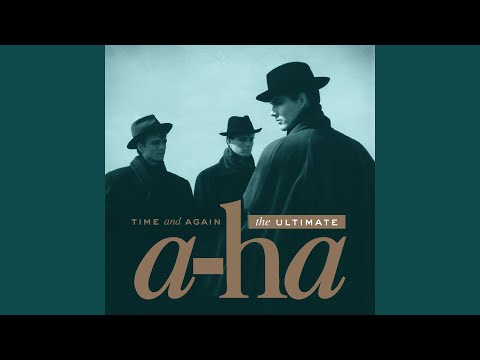
A-ha
Take On Me
Read
Next narration 0:04
Narration sentence highlighting is idle.
The synth riff gives you the contract immediately. Bright, clipped, already running.
The drum grid and bass are doing the quiet work. They make the shine danceable instead of weightless.
Here is the first human scale. The voice enters almost casually, inside a track that sounds much more certain than he does.
When he says, "I don't know what I'm to say," the machine keeps moving. That mismatch is the point.
The hook arrives as a dare. The melody climbs, but the rhythm keeps the floor locked underneath it.
The promise is already about leaving. "I'll be gone" makes the chorus feel like a window, not just a lift.
The second verse returns to the same bright machinery, but now the awkwardness is more exposed.
The line about being safe than sorry lands, and the song immediately chooses risk again.
This chorus has more memory behind it. The high reach feels less effortless because the verse has named the stumble.
The break opens the surface sideways. The pulse is still there. The drawing has more air around it.
This is the reset without escape. The song loosens its frame just enough to make the final return matter.
The voice comes back as if thought has caught up with speed.
"You're all the things I've got to remember" becomes the center because everything around it keeps moving away.
Now the pursuit resumes. The chorus phrases overlap until the title is more motion than statement.
The backing calls multiply the hook. It feels less like one person asking and more like the whole track answering.
The machine drops away near the end, and the brightness hangs for a second as an afterimage.
The song never slows down to explain itself. It makes the risk bright enough to enter before it vanishes.
Last updated Aug 3, 2026
Now playing
Take On Me
A-ha

galdr analysis
Click play to load galdr data.