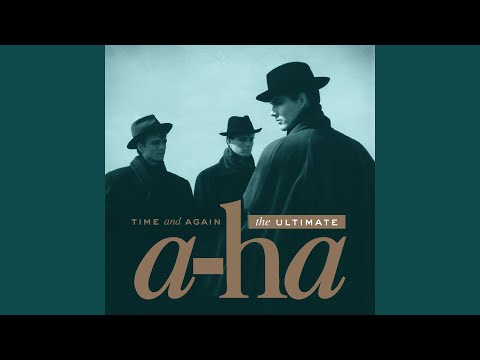
A-ha
Take On Me
Read
Narration sentence highlighting is idle.
"Take On Me" earns a Dance reading because the body experience is not just fast tempo. The track keeps converting nervous romantic energy into repeatable motion.
0:00-0:33 Feet find the grid before the story
The opening synth riff sits on a beat that is clean enough to step into immediately. The body does not have to search for the pulse. It is already squared off, bright, and forward, with the bass giving each flash enough weight to land.
0:34-1:11 The verse holds back, the chorus springs
The verse keeps the movement compact. The vocal talks its way through uncertainty while the rhythm stays clipped underneath. Then the chorus springs upward. The dance event is that lift without release: the body rises, but the beat never lets go of the floor.
1:12-1:51 Repetition makes the risk physical
The second pass turns the same movement into a stronger dare. The line about being safe than sorry lands, then the hook immediately chooses motion again. On the dance floor, that is the song's argument: caution is acknowledged, but the body has already committed.
1:52-2:44 Sideways reset
The break loosens the surface just enough to change the body's attention. It is not a collapse into stillness; the count remains available. The sideways color gives dancers a reset without removing the expectation of return.
2:45-3:47 Final lift as moving surface
The last chorus stacks calls and responses until the hook becomes less a lyric than a pattern to ride. The body hears repetition as permission: keep moving, keep answering, keep reaching. When the track finally drops away, the remembered motion is the ending.

galdr analysis
Click play to load galdr data.
Now playing
Take On Me
A-ha
Click play to load galdr data.
Music signal
Surface evidence
Harmony + melody
galdr concepts
Derived motion