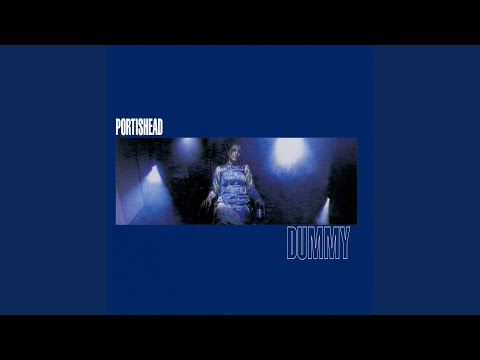
Portishead
Roads
Read
Narration sentence highlighting is idle.
The first thing in the room is organ: a dark electric chord hanging open, barely moving, more air and sustain than attack. It sits alone long enough for the ear to settle into that slow minor sway before a thin string-like pad lifts underneath, almost like heat rising off the keys. Nothing hurries. The surface stays sparse, harmonic, suspended.
Around forty-five seconds a muted drum pattern creeps in—soft kick, brushed or dusty snare, a pulse offered more than seized. The beat is steady but light on the body, a slow pocket that never quite locks the hips; it just keeps time under the held organ field. Then the voice arrives close and grainy, almost breath-first, a fragile thread laid over the dusty grid. It doesn’t press hard. It occupies the near-middle of the mix while the organ keeps the floor warm and low.
The arrangement holds that shape for a long stretch: organ bed, restrained drums, vocal phrases entering and withdrawing without breaking the pattern. When the voice steps out, the room doesn’t empty; the same slow motor and tonal mass simply continue, slightly more exposed. Phrase lifts come as small rises in the vocal line or a brief brightening of the pad, not as ruptures. Density stays medium. Weight stays suspended—held, swaying, never heavy enough to pin.
Past two minutes the strings begin to matter. A melancholic line rises over the plodding beat, then swells into thicker harmony, weeping high chords that thicken the air without kicking the drums harder. The surface densifies into something closer to a wall for a short span—organ still underneath, strings carrying the emotional mass—before the arrangement descends and strips back again. The beat never leaves; it just carries less company until the voice returns smooth and close over the restored organ bed.
Later the string field returns with more force, soaring over the same heavy-dusty pulse, then yielding once more so the vocal can take a final aching pass. After that the layers fall away cleanly. Drums recede. Pads thin. What remains is the dark electric organ alone, a single sustained chord slowly decaying until the room goes absolute quiet—no last hit, only the held tone letting go of its air.
Last updated Aug 17, 2026 · Written with Grok 4.5 · Galdr 0.7.0.dev0 · Inner Ear Gemini 3.5 Flash Lite
Now playing
Roads
Portishead

galdr analysis
Click play to load galdr data.