Gaerea
Submerged
Read
Narration sentence highlighting is idle.
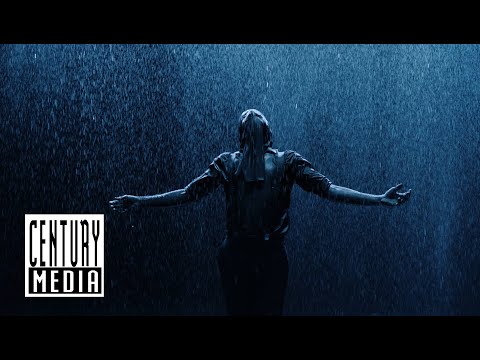
A thin, suspended tone opens the track, more atmosphere than attack, and the first seconds feel less like an introduction than a room filling with dark water. The heavy guitars arrive under it almost immediately, not as a clean dramatic cut but as a thickening: distortion begins to take up the space, the pulse locks in, and the voice steps into that pressure with a scream that turns the title image physical. When the line We’re submerged lands near 0:12, the music has already made the metaphor tactile. The drums and guitars do not splash around; they hold a fast, steady pattern, a churning surface with very little give, so the drowning language feels trapped inside a machine that keeps moving.
That first vocal passage is forceful but not chaotic. The grid stays hard and reliable while the voice rasps across it, and the lyric’s tide, sinking, and deep water images ride a sound that is less wave-like than enclosed. Around 0:38, the pressure releases into ringing guitar, and the absence of the scream changes the scale of the song. The clean melody does not feel like escape exactly; it is too minor, too echoing, too held in the same cold air. But it lets the ear see farther into the space. Cymbals and guitar resonance keep time lightly while the body’s grip loosens, and the track’s darkness becomes more spacious rather than less severe.
The return of the harsh vocal after the quiet stretch has more history in it. A whispered aside, The lies I hide, is quickly swallowed by the scream, and the band gathers back into dense distorted motion. From about 1:06 onward, the riffing and drums seize the body again, with double-kick pressure and guitar mass turning the pulse into something braced rather than comfortable. The words about shadows, ghosts, air, and breath matter because the voice sounds like it is spending itself against a pattern that will not bend. Even when the chorus shape comes back, the repeated I’m submerged no longer feels like a first declaration; it has become proof of recurrence, the same water found deeper down.
A sung line opens the middle differently near 2:16: Circling below. The change in vocal color is crucial. Instead of the scream tearing at the surface, the sung repetition hangs inside the arrangement, and the music lets the phrase become an orbit. The guitars and drums continue to provide a measured hold, but the foreground feels less like assault and more like fixation. Each return of the phrase draws attention to the circularity built into the track itself: fast pulse, stable grid, repeated harmonic color, very little release. The song is not rushing toward rescue; it is tracing the loop.
When the heavier vocal material returns after 3:11, it carries the middle’s circling with it. The familiar submerged lines come back changed by that instrumental and sung suspension, so the chorus now sounds less like a section repeating and more like a condition reasserting itself. Distorted guitars fill the room, the drums keep the body captured, and the vocal alternates between personal confession and shared catastrophe. By the time the earlier “we” language returns near 3:38, the song has widened from one speaker’s ghosts into a collective undertow, but the arrangement refuses any brightening that would make that widening consoling.
The late stretch begins to drain rather than climax. Around 4:31, the pressure finally gives way; the grip of the pattern loosens, attention falls out of the fast motor, and what remains is ringing guitar, residual distortion, and space. The sung Where the waters flow lingers as the band’s force recedes, not resolving the image so much as leaving it suspended in the room. Near 5:05, the last sound empties into a short gap, and the track ends with that plain withdrawal: no final blow, no grand escape, just the waterline after the motion has stopped.
Last updated Aug 22, 2026 · Written with GPT-5.5 · Galdr 0.7.0.dev0 · Inner Ear Gemini 3.5 Flash Lite
Now playing
Submerged
Gaerea

galdr analysis
Click play to load galdr data.